
Home / Electric Tricycles / Sanitation
Electric Garbage & Sanitation Tricycles
Municipal and site-sanitation vehicles form a small, specialised corner of the AMOTO catalog: garbage-collection tricycles, a self-dumping sanitation trike and a ride-on floor cleaning machine. Published specification data for this family is limited, so this page works as an inquiry brief.
What the catalog lists
- Commercial three-wheeled garbage truck — listed as an electric three-wheel sanitation truck, a three-wheeled vehicle that can dump.
- Electric three-wheeled mini garbage truck — listed for urban garbage collection and transfer work.
- Sanitation cleaning truck / self-dumping cargo tricycle — a sanitation cleaning truck tricycle with a self-dumping cargo body, also described as a 3-wheel pickup truck format.
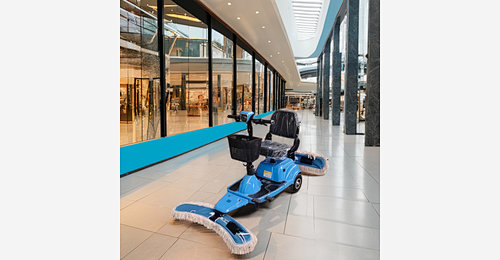
- Cleaning mop scooters — the HT-IN101C electric floor cleaning machine (a driving dust cart), and a cleaning mop scooter listing described at 1500W, 48V 12Ah in its title.
None of these pages publishes a specification block in the catalog, and this page will not invent payloads, bin volumes or battery figures for them. What the listings do establish is the duty range as titled: kerbside and site garbage collection on three wheels, a self-dumping body option, and ride-on floor-cleaning machines. No listing publishes the surfaces those cleaning machines are specified for, and this page assigns them none.
Building a sanitation inquiry
Sanitation purchases fail on details that a listing cannot show: bin or body volume, dump mechanism, wash-down tolerance, and the depot charging setup. Send those four items with your first message, plus the route profile (daily distance, stops, gradients), and we will return the current data for the matching listing — including the figures this page cannot publish. Municipal buyers comparing formats should also price the cargo tricycles with a closed body and the A41 four-wheel vehicle, which does publish a full specification set on its own page.
The cleaning machines deserve a separate conversation
The HT-IN101C and the cleaning mop scooter are not vehicles in the transport sense — they are floor-care equipment that happens to be ridden, closer to a scrubber-dryer than to a cargo trike. Their buyers are facilities managers and cleaning contractors, and their questions are facilities questions: cleaning width and tank capacity (not published in the catalog listing), battery runtime per shift (likewise), and indoor versus outdoor surfaces. The 1500W, 48V 12Ah figures in the mop scooter's title are the only electrical data the family publishes — the title gives no duty rating, runtime or surface specification, and this page draws none from it. Put cleaning-equipment questions in those terms when you inquire — area per shift, surface type, storage and charging point — and the answer can be matched to the machine honestly instead of by analogy to the road vehicles.
Procurement route for municipalities
A public buyer's procurement rules can require the specification before the conversation; a private site buyer can work the other way. If your procurement rules require published payload, volume and battery data at the shortlist stage, then no line in this catalog — cargo or sanitation — currently meets that bar on published data alone: battery data is published for the cargo machines, but a loading capacity appears only on the CP-3's page (200 kg), among the cargo lines compared here, and no cargo page publishes a load volume. The missing figures are obtainable, not assumable: put payload and volume for the specific model in writing at the top of the inquiry, before any shortlist is drawn. That sequencing is not a workaround — it is the accurate reflection of what this catalog documents well and what it documents thinly.